For example, I recently was involved in a discussion in one of my art groups online about determining the value of a painting once you have completed it. This artist was clearly talented but he didn’t know how much to ask for when selling his work. Then he said something that made me jump into the discussion. He claimed that he saw artists who were asking thousands of dollars for their work and he felt those pieces were not hard to do and that because he could do a better job that his pieces should be worth even more. I rolled my eyes and began constructing my argument against his way of thinking.
So how do I value a painting? Well as I told this artist, the value is not based on level of difficulty – how would I even quantify that? I believe the value of a painting is determined by an assortment of factors including the medium, size, color, subject content, the amount of work involved, demand for the artist’s work, and others. There is simply no formula for artists to follow when assigning value to a painting. To illustrate my point to this person, I gave the example of two paintings of the same subject with different approaches. The subject is a coke can and the first is rendered in realism while the other is painted with an impressionist approach. I asked him that if the realist approach required more detail, does that mean it should be priced higher? There is no simple answer, but personally I would give the impressionist’s piece a higher price. 
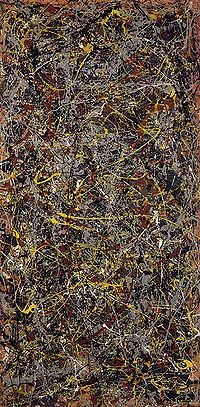
That is my point though – just because one painting is harder to execute does not make it worth more. I have seen many abstracts with a minimalist approach sell for thousands of dollars. This defies my logic because I don’t understand abstract to begin with, but in the art world nothing is logical and everything is spontaneous. This is the world I enjoy living in. You never know what you will see when you wake up each morning.